
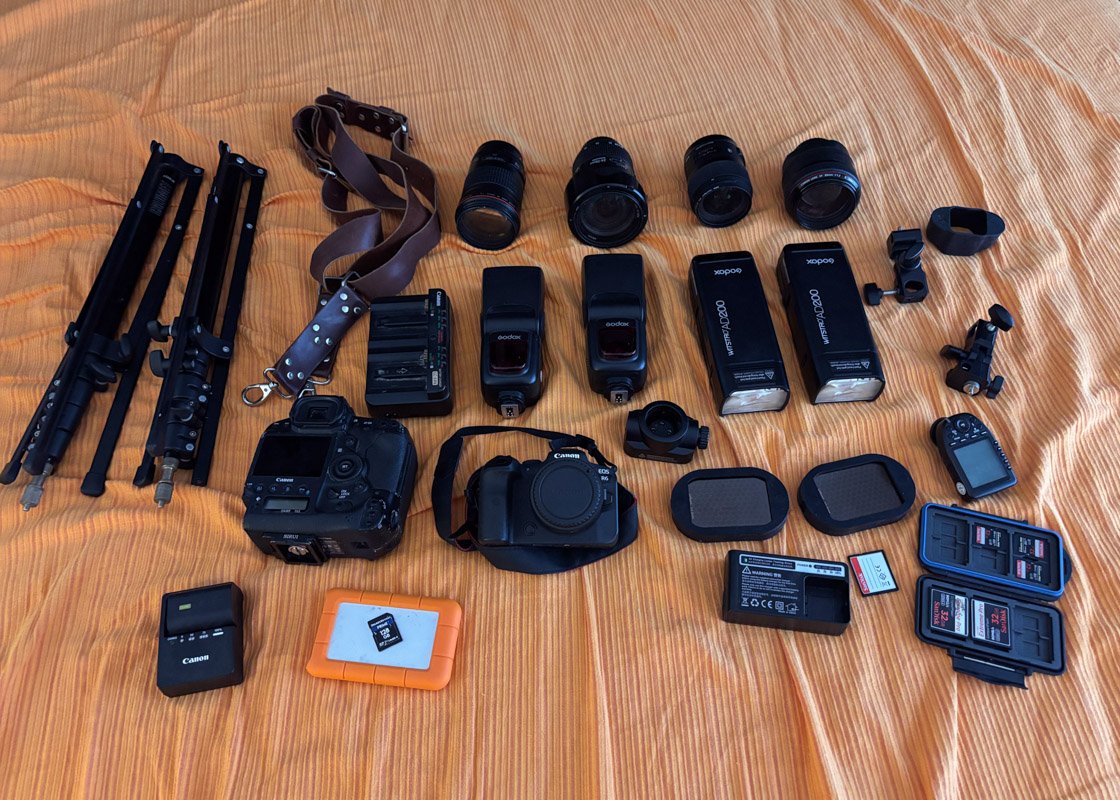
Professional Wedding Photographer Camera Kit
When choosing a wedding photographer, it’s easy to focus on the aesthetics of their portfolio — but the camera kit a professional brings to a wedding day is just as important. Weddings move fast. Lighting conditions change constantly. Emotional moments happen once and never again. Because of this, a professional wedding photographer builds their camera kit around reliability, flexibility, and backup, ensuring nothing is missed or lost.
In this article, I’ll break down exactly what equipment a professional wedding photographer uses — and explain why each piece matters when it comes to capturing your wedding day beautifully and safely.
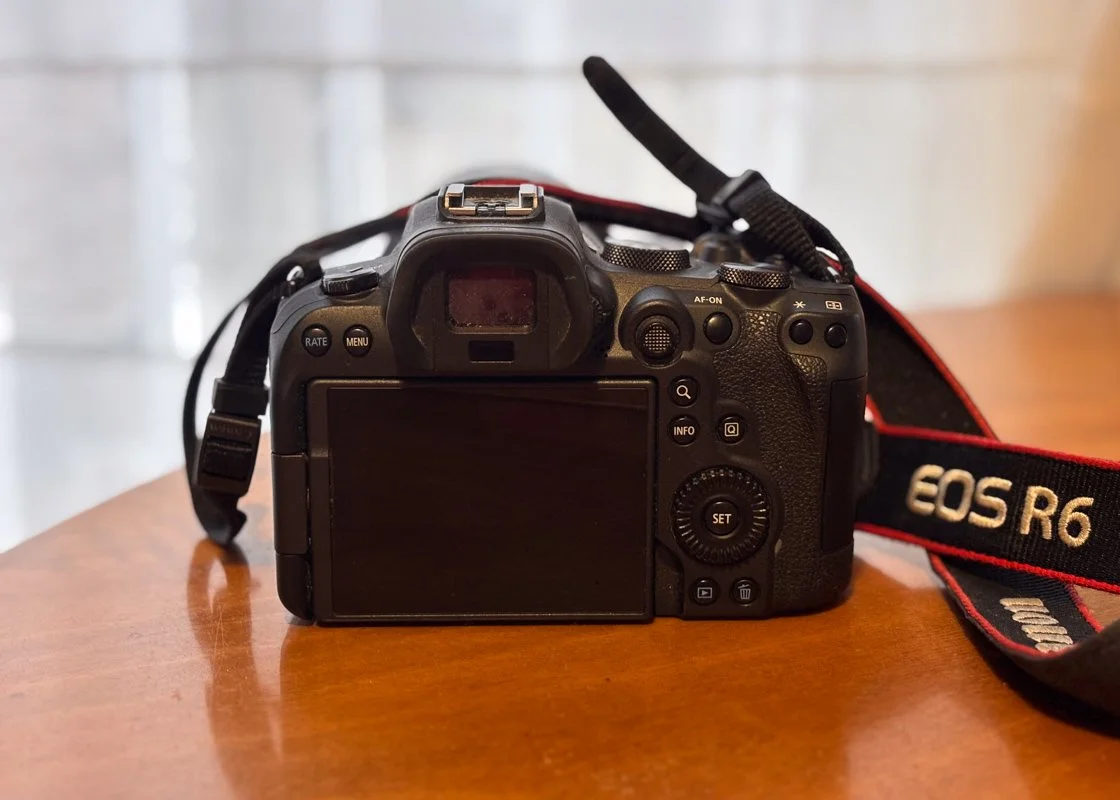
What Is in a Professional Wedding Photographer’s Camera Kit?
When couples book a professional wedding photographer, they’re not just hiring someone with a camera — they’re investing in experience, preparation, and responsibility.
One of the biggest differences between a professional and an amateur photographer is the camera kit they bring to a wedding day — and how they use it.
So what actually goes into a professional wedding photographer’s camera kit? Here’s what a real-world professional typically carries.
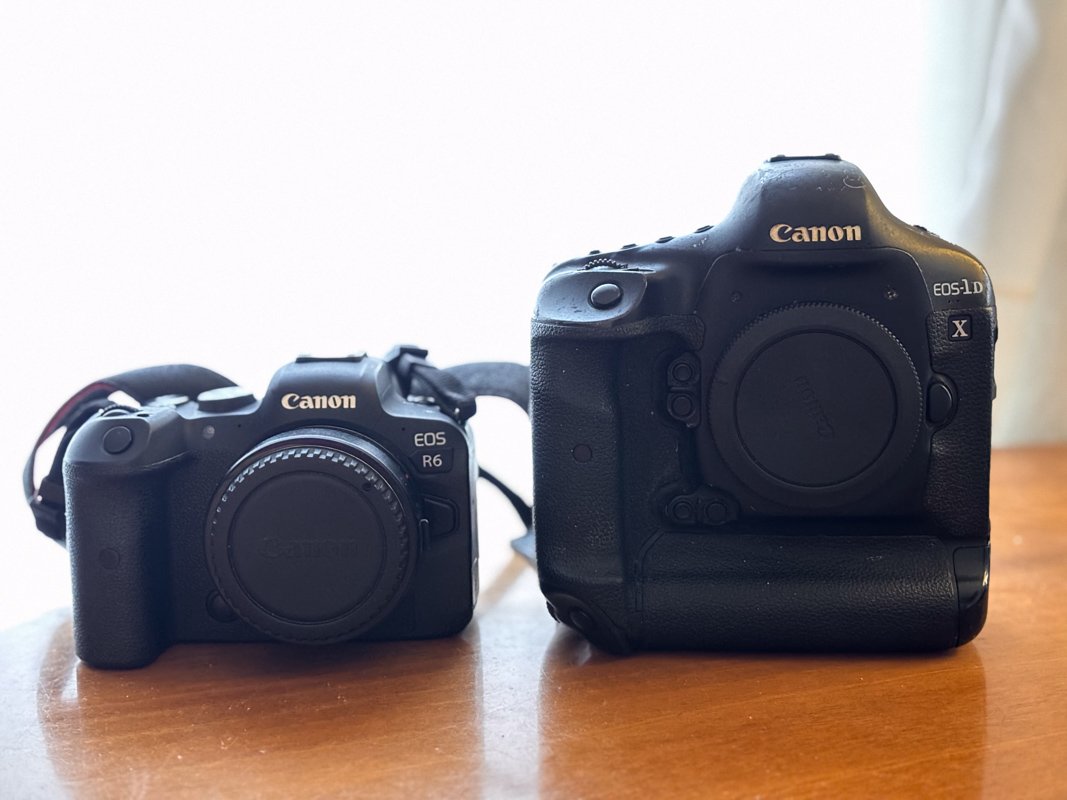
Camera Bodies: Always More Than One
A professional wedding photographer will never arrive with just one camera.
Typical setup:
Two main camera bodies (often identical)
Sometimes a third backup body kept in the bag
Cameras with dual memory card slots for instant backup
Professional wedding photographers rely on fast, reliable mirrorless or DSLR systems with excellent autofocus and low-light performance — essential for ceremonies and evening receptions.
Personally, I love the Canon R6 for its fast and accurate autofocus. Nikon and Sony systems are also excellent choices at a professional level.
Tip: Shooting with two cameras allows a photographer to switch instantly between lenses without missing moments. For example, one camera might have a 35mm lens and the other an 85mm.
When the bride or groom enters, the 85mm captures emotion from a distance. As they get closer, switching to the 35mm allows for a more immersive documentary perspective. This is standard practice for professional wedding photographers.
Common professional camera choices:
Canon R5 / R6 II
Sony A1 / A9 / A7 IV
Nikon Z6 II / Z8 / Z9
Many photographers use two identical camera bodies for speed, balance, and muscle memory. I still shoot with my Canon 1DX, which remains one of the best photojournalism cameras ever made.
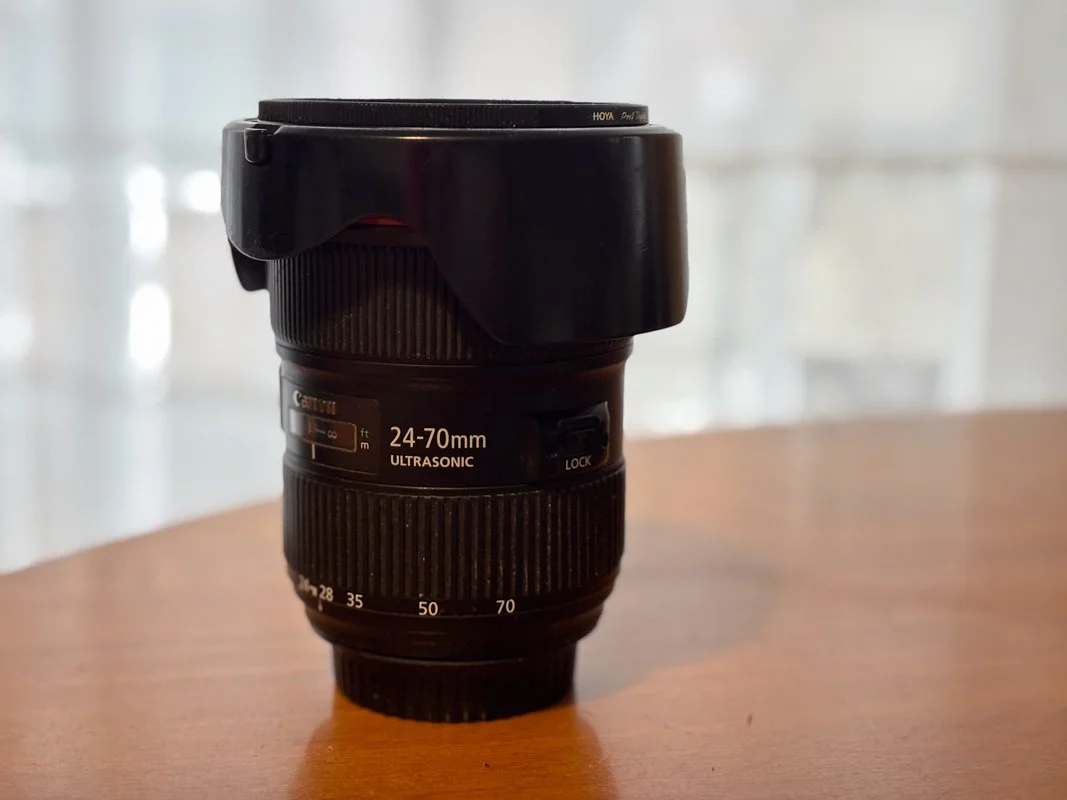
Lenses: Covering Every Moment of the Day
Lenses are often more important than camera bodies. Most professional wedding photographers carry four to six lenses to cover every situation.
Fast prime lenses:
35mm f/1.4 or f/1.8 – documentary storytelling
50mm f/1.8 – natural portraits and details
85mm f/1.8, f/1.4, or f/1.2 – emotional close-ups
Essential zoom lenses:
24–70mm f/2.8
The workhorse lens for preparation, ceremonies, portraits, and storytelling.70–200mm f/2.8
Ideal for ceremonies and speeches when distance is needed.
I personally use the Canon 24–70mm f/2.8, which is an incredible and versatile lens. However, instead of a 70–200mm, I prefer using longer prime lenses, such as a 135mm f/2, for a more cinematic look.
Fast prime lenses allow photographers to work in low light without flash and create beautiful background separation. Using prime lenses is often what separates an amateur from a professional. They are more expensive because they contain more glass, and they require faster reactions — but the image quality is unmatched.
What does f/1.2 mean?
This refers to aperture. The smaller the number, the wider the aperture, allowing more light into the lens and creating stronger background blur. These lenses are expensive, but they produce exceptional results.
Lighting Equipment: Used Only When Needed
Even documentary wedding photographers carry flash — not to overpower moments, but to handle difficult or extreme lighting conditions.
If you photograph weddings in very bright locations (like Spain), flash is often used to balance harsh sunlight. You can’t overpower the sun, but you can absolutely improve the image using flash correctly.
Flash is mainly used during:
Dark ceremonies
Speeches
Evening dancing
Typical lighting kit:
2–3 professional speedlights
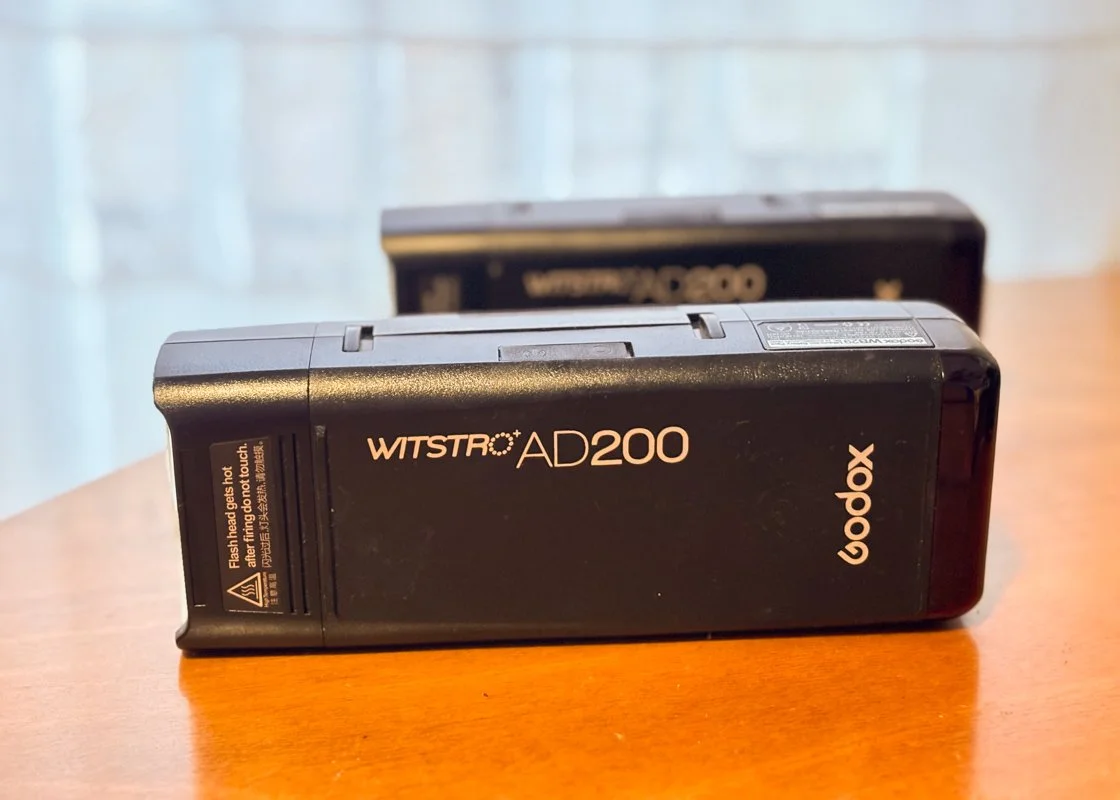
1–2 pocket flashes (such as Godox AD200)
Wireless triggers
Small light modifiers or bounce cards
Plenty of spare batteries
The goal is always to keep lighting natural and unobtrusive.
I use Canon speedlights alongside Godox AD200 pocket flashes, either triggered wirelessly or via a flash mounted on the camera. This setup is incredible for first dances and evening party coverage. It takes practice, but when done correctly, it elevates images and creates a truly professional result.
Memory Cards, Batteries & Backup Systems
This is where professionals really stand apart.
A professional wedding photography kit includes:
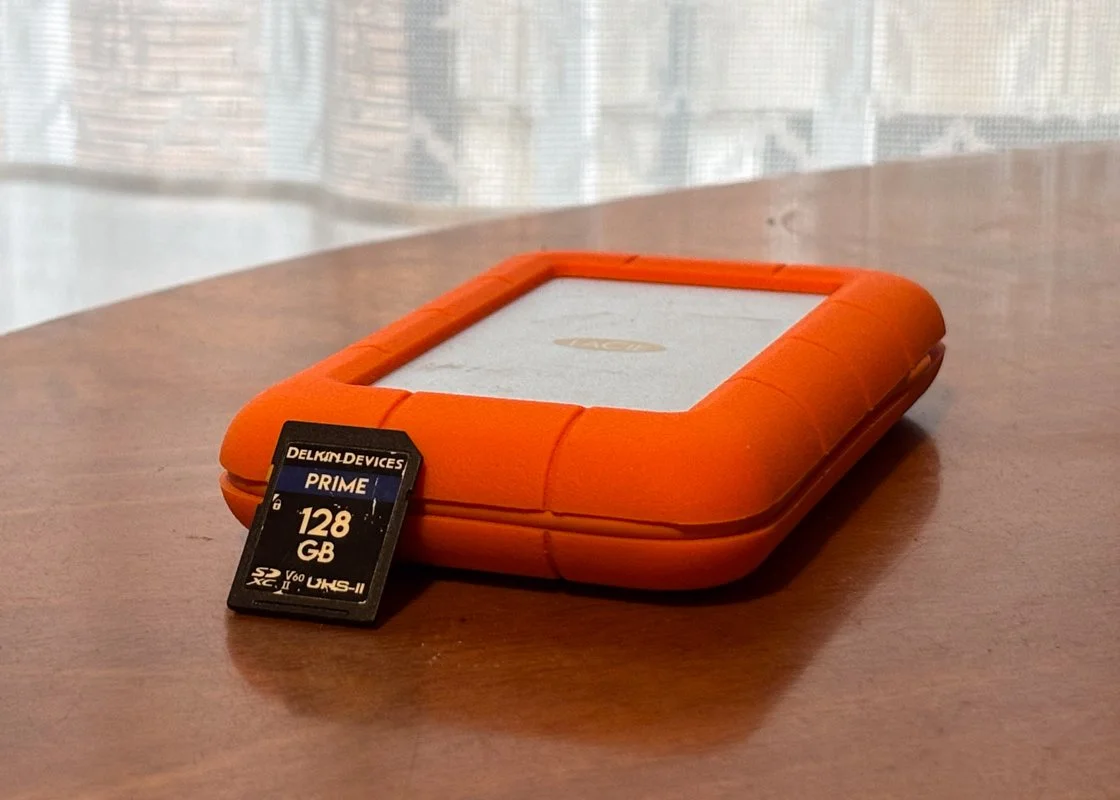
Portable SSDs for backups
Laptop or backup device for multi-day weddings
Multiple high-capacity memory cards
Dual-slot recording (saving images to two cards at once)
10+ spare camera batteries
Many professional photographers back up images before leaving the venue.
Practical Wedding Day Essentials
Beyond cameras and lenses, a professional kit also includes:
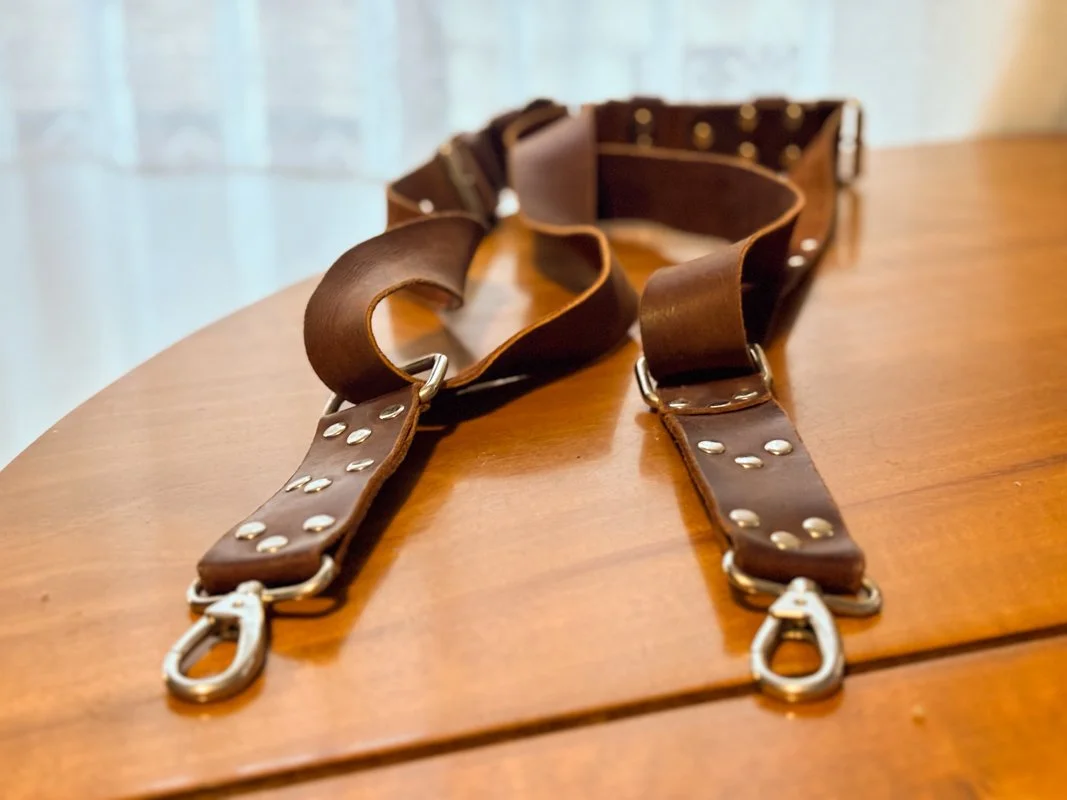
A comfortable dual-camera harness
Snacks and water (wedding days are long)
Lens cloths and sensor cleaning tools
Rain covers for outdoor weddings
Gaffer tape (it fixes almost anything)
These small items can genuinely save a wedding day when conditions change unexpectedly.
Gear vs Experience
Professional equipment is essential — but it’s only part of the story.
What truly makes a professional wedding photographer is:
Adapting instantly to any light or weather
Knowing when not to take a photo
Anticipating moments before they happen
Staying calm under pressure
Managing timelines discreetly
Great wedding photography is about judgement, timing, and storytelling — not just gear. I often take more frames during key moments because expressions can last less than a second. Later, those images are carefully curated to build a meaningful visual story.
Final Thoughts
A professional wedding photographer’s camera kit is built for reliability, flexibility, and peace of mind. It ensures every important moment — planned or unplanned — is captured safely and beautifully.
When choosing your photographer, remember: You’re not hiring a camera. You’re hiring someone prepared for anything.
This is why documentary wedding photography is so powerful. If you’d like to see my own documentary wedding photography style.